
Abstract
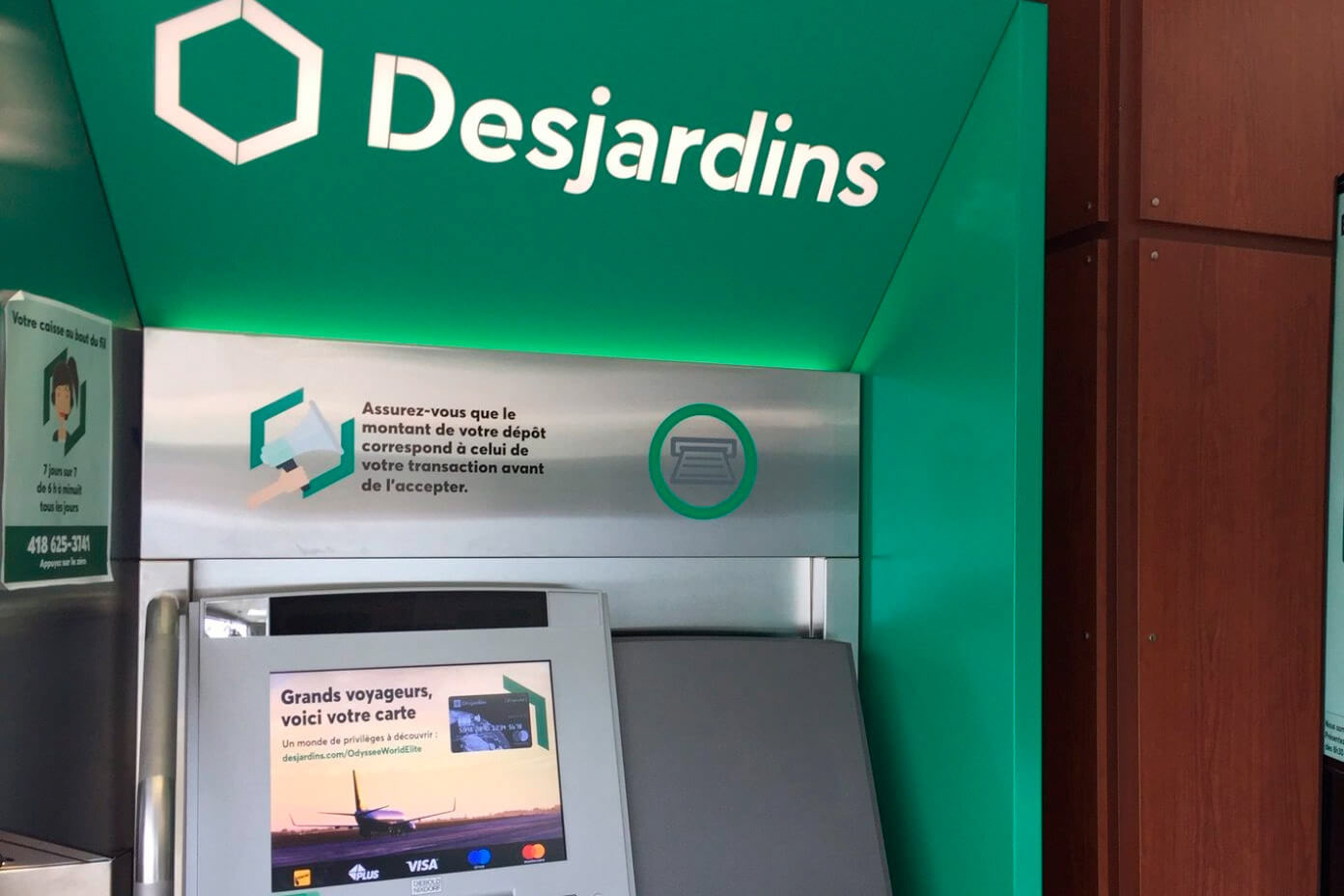
ATM interfaces serve everyone — but they're rarely designed with everyone in mind. This redesign of Desjardins' ATM interface centered the needs of elderly users, visually impaired users, and low-literacy users from the outset, not as an afterthought. I led UX design and research across the project, collaborating with accessibility organizations and community literacy groups to ensure the interface worked for the people most likely to be failed by a standard approach.
Challenge
Desjardins' existing ATM interface had aged alongside a customer base that had been using it for decades. Modernizing it risked alienating the very users who depended on it most — those least comfortable with change and most affected by poor accessibility decisions. The design had to feel new without feeling foreign.
Approach
We built the research process around the users most at risk of exclusion. Focus groups and workshops brought in elderly users, visually impaired users, and representatives from Lettres en main — a Montreal-based literacy organization — to surface needs that standard usability testing would have missed entirely. Every design decision was filtered through what we learned in those sessions.
User Testing with Lettres en main
Partnering with Lettres en main gave us direct access to low-literacy users who interact with ATMs regularly but are rarely included in formal research. The video below documents user testing sessions conducted with the group — an unusually transparent look at how real accessibility research shapes design decisions.
Solution
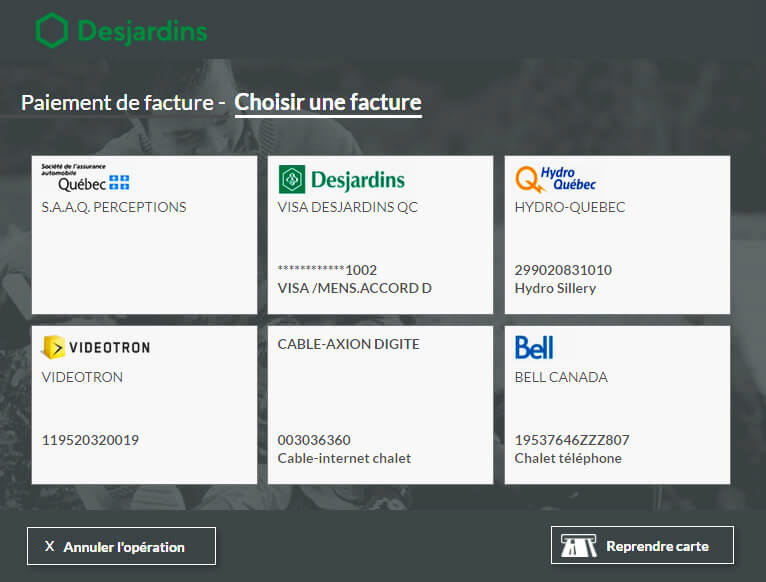
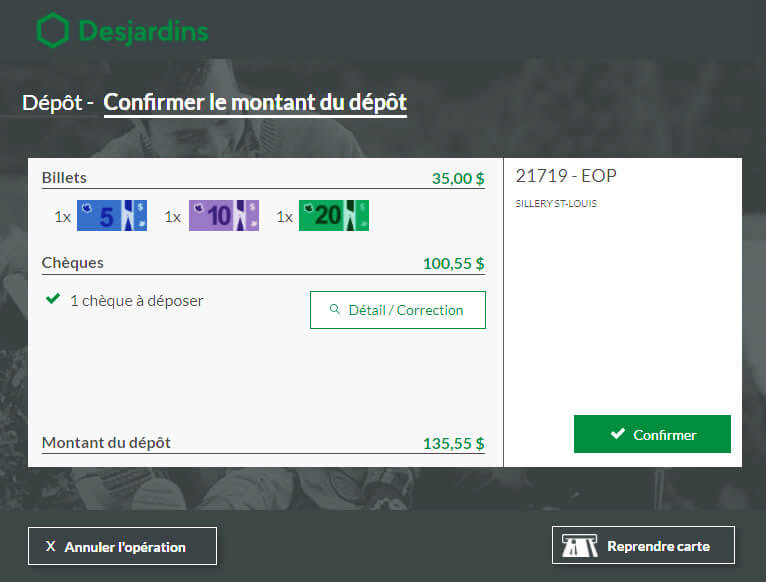
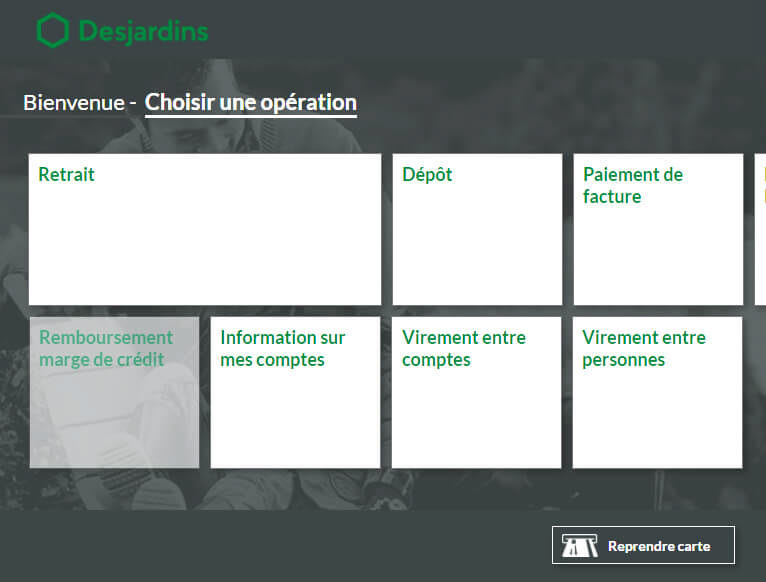
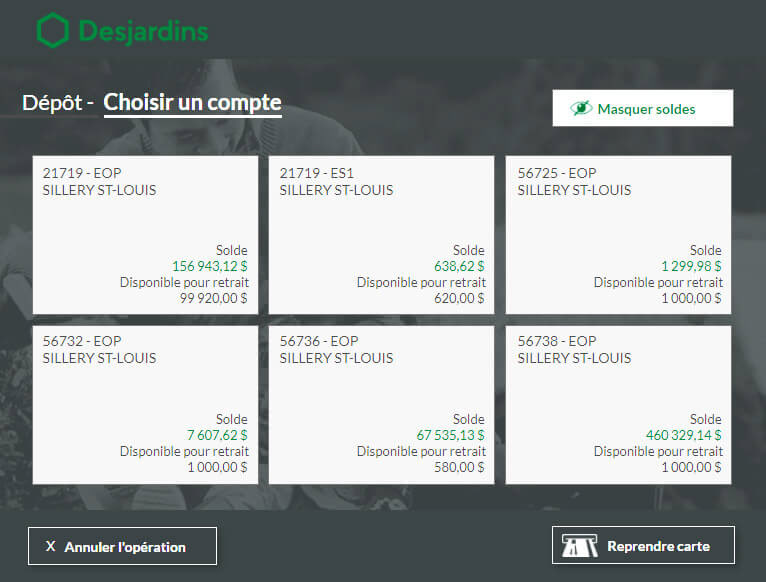
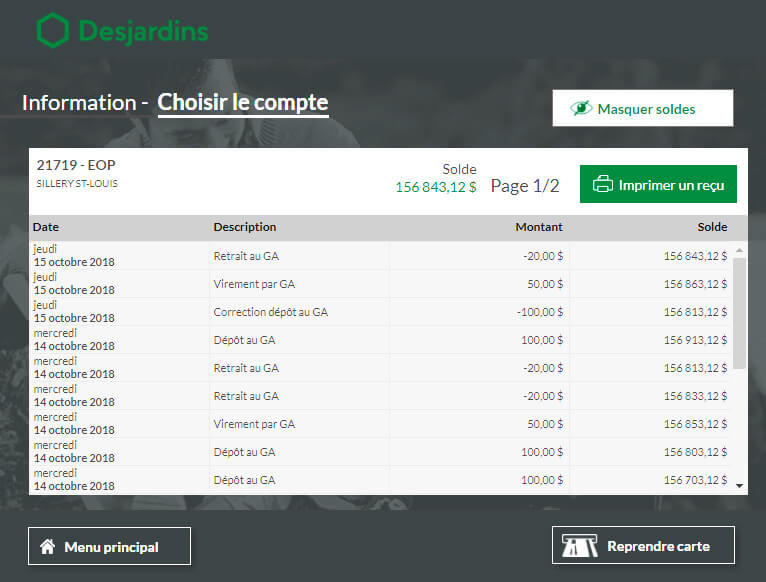
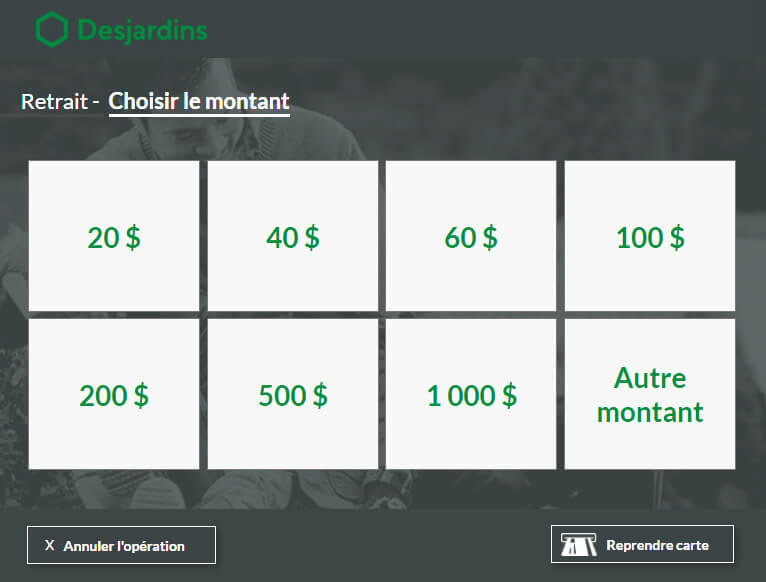
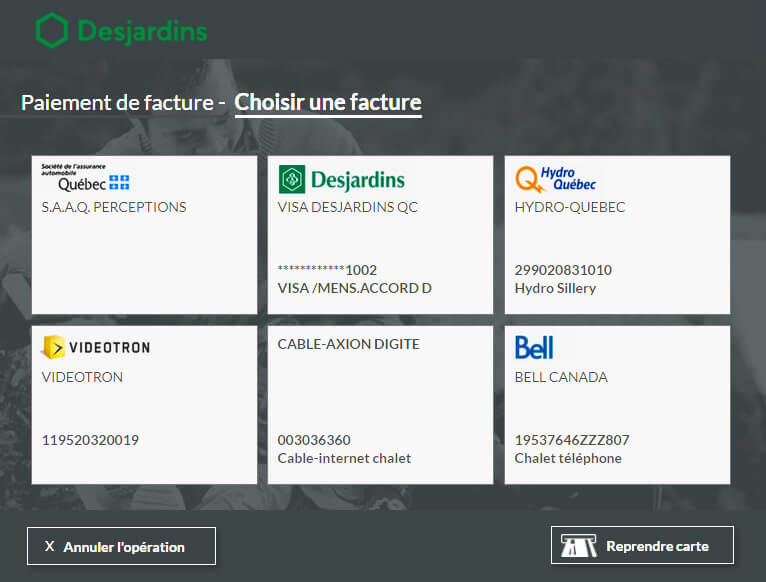
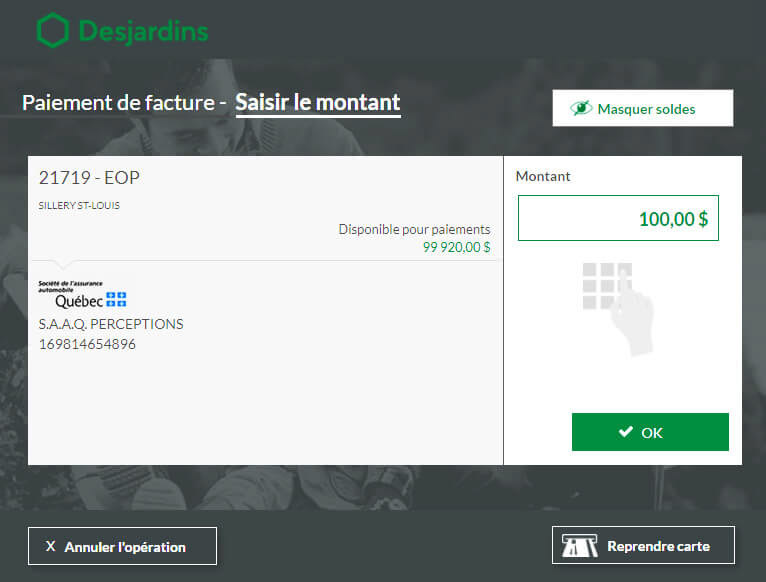
The redesigned interface simplified navigation to its essential core — reducing cognitive load through clear visual hierarchy, plain language, and consistent interaction patterns. Accessibility wasn't a layer added at the end; it was the organizing principle from the first wireframe. Contrast ratios, text sizing, and interaction targets were all validated against real user feedback rather than guidelines alone.
Key Achievements
— Led accessibility-focused UX research with elderly, visually impaired, and low-literacy user groups
— Partnered with Lettres en main to conduct on-site literacy testing integrated directly into the design process
— Facilitated focus groups and workshops across diverse user demographics to surface needs invisible to standard testing
— Delivered an interface that balanced modernization with familiarity for long-standing customers
Outcome
The redesigned ATM interface gave Desjardins a platform that reflected their stated commitment to inclusivity — not as a compliance exercise but as a design outcome. The collaboration with Lettres en main in particular produced insights that changed specific design decisions, which is the clearest possible measure of whether accessibility research is actually working. The process itself became a model for how future accessibility initiatives at the organization could be structured.
How can I help expand your universe?
Whether you're building something new or rethinking something existing — I'd love to hear about it.