
Abstract
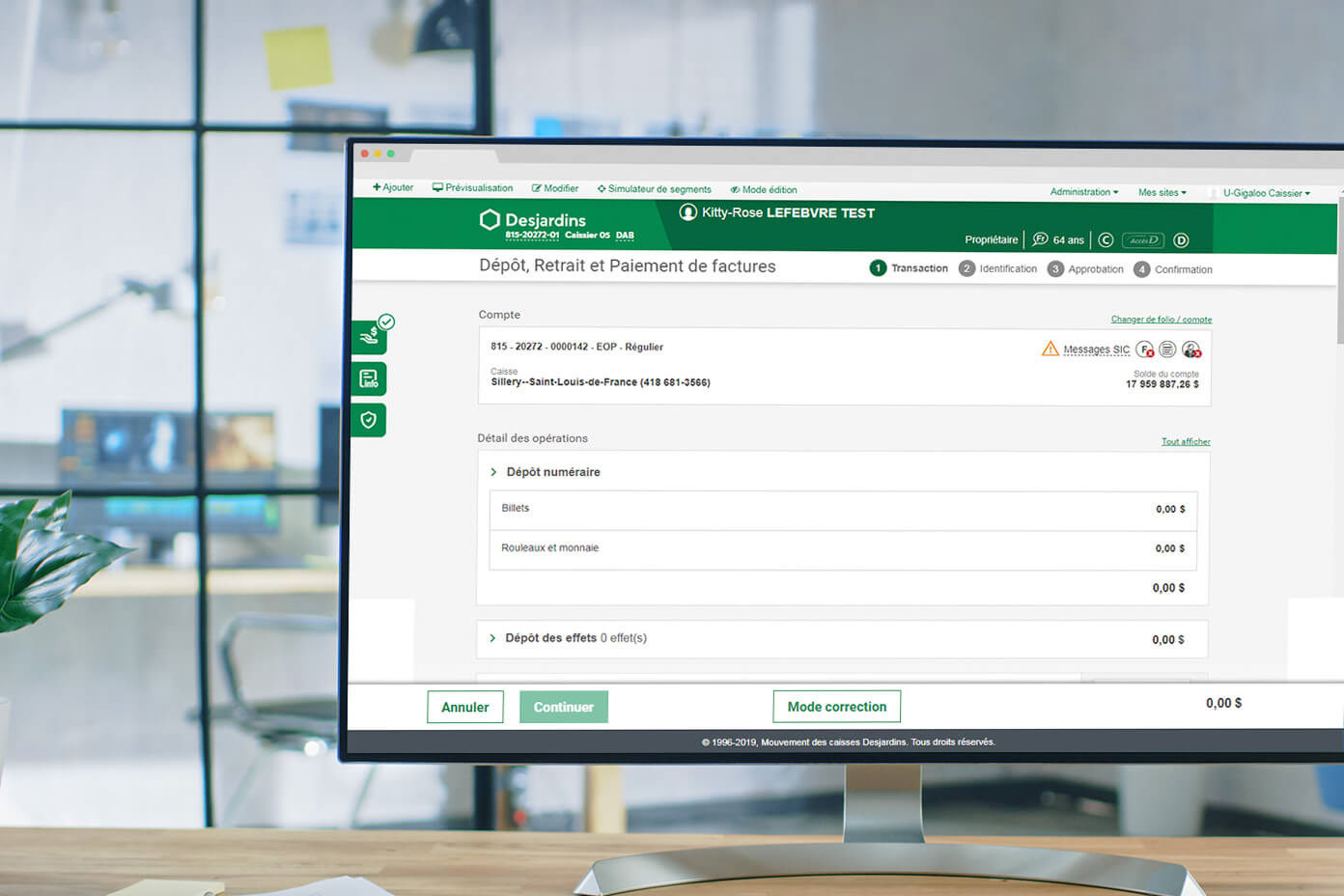
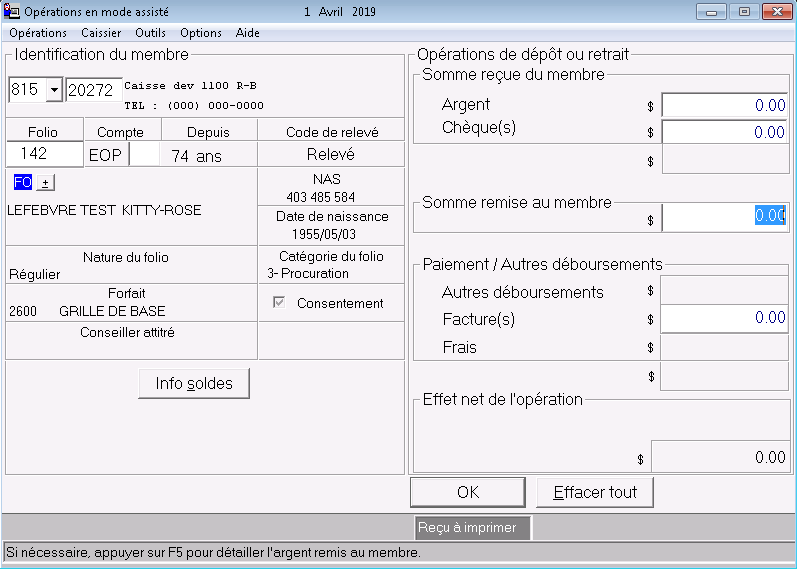
Desjardins' web-based teller platform had been in use for nearly three decades. Branch employees knew it intimately — but it was slow, complex, and increasingly at odds with the speed clients expected. I led UX design on the full redesign, working within a multidisciplinary team to replace a deeply embedded legacy system with a modern, responsive platform. Within the first months of launch, teller service efficiency improved by an average of 30%.
Challenge
The existing system wasn't just outdated — it was load-bearing. Tellers had built years of muscle memory around its quirks, and any redesign that ignored that would fail regardless of how modern it looked. The challenge was designing something genuinely better without alienating the people who depended on it daily.
Approach
We assembled a team of researchers, business analysts, functional analysts, and product owners and started by immersing ourselves in the existing system before proposing any changes. On-site observation sessions revealed workflow patterns that documentation alone would have missed. We used Optimal Sort card sorting exercises to determine menu structure based on actual teller behavior rather than assumptions, and validated prototypes through both remote and on-site testing sessions using real transactional scenarios.
Solution
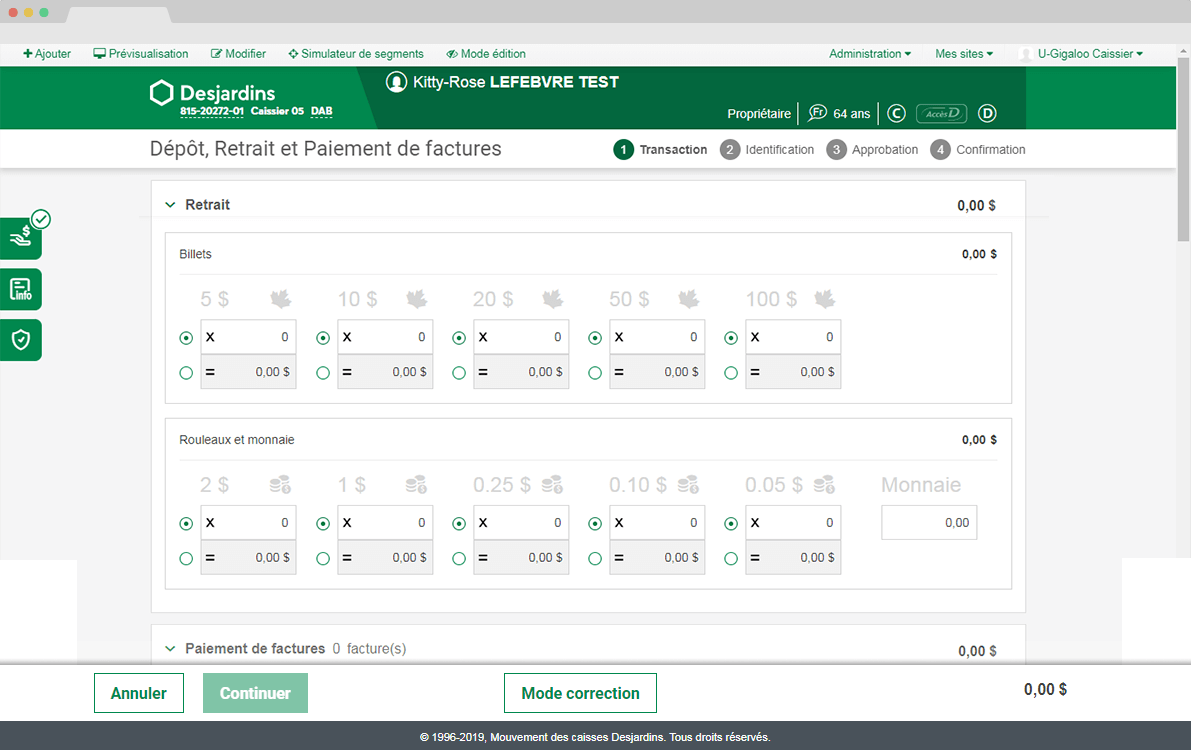
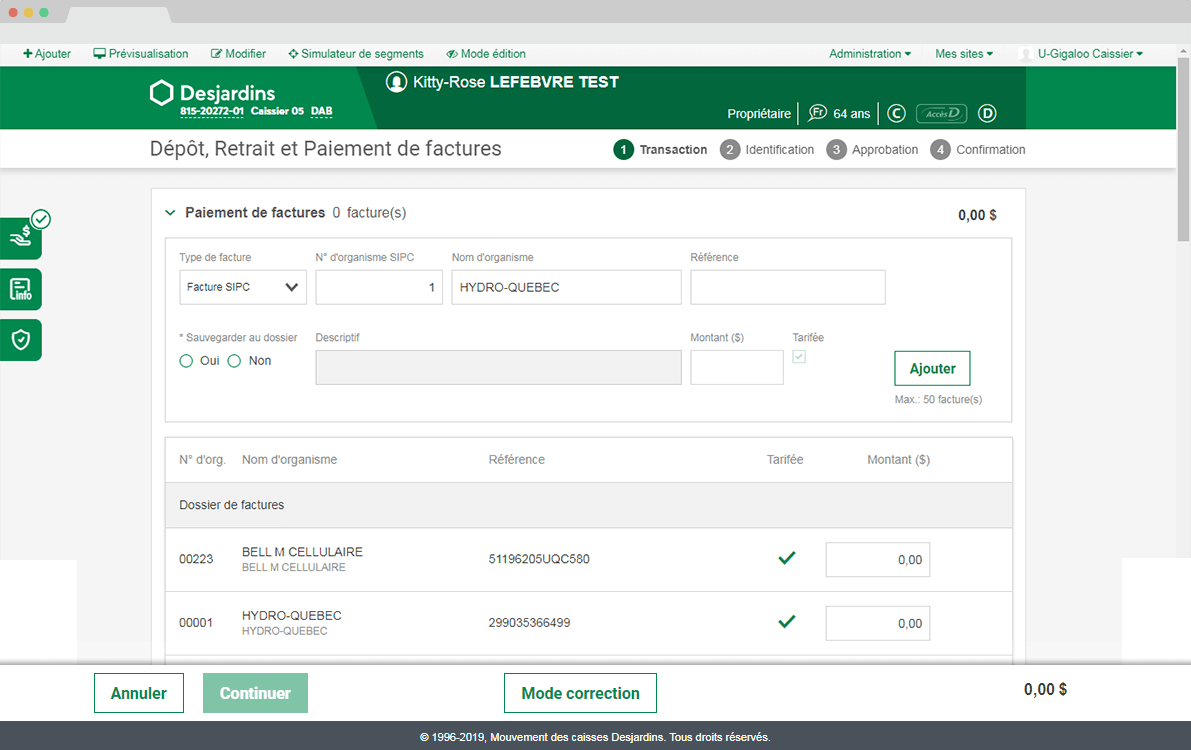
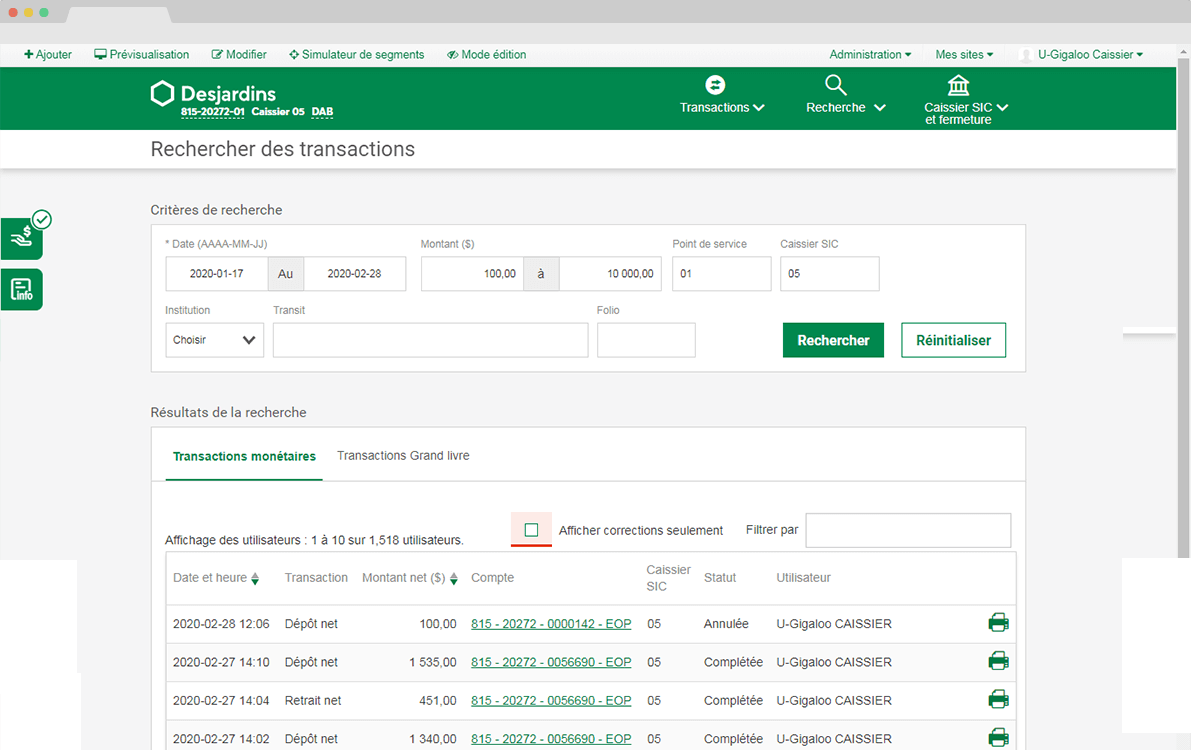
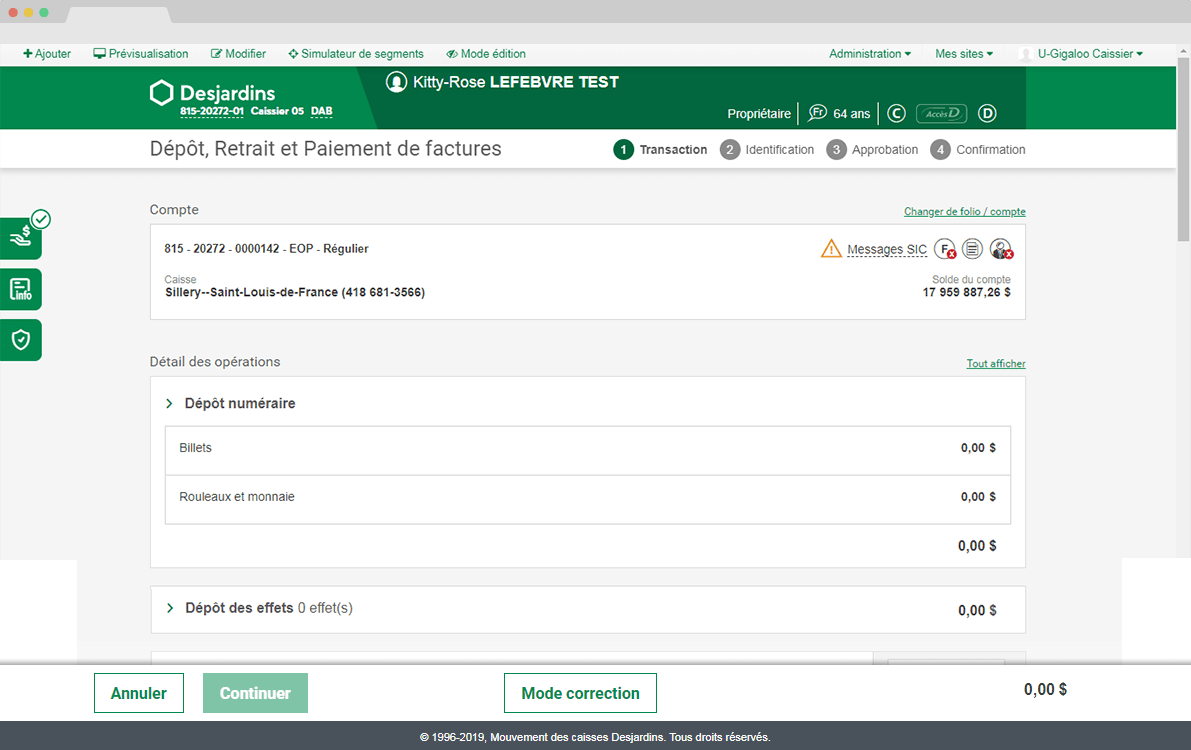
The redesigned platform prioritized transaction speed above all else — reducing the number of steps required for the most common teller workflows and surfacing the right information at the right moment. The interface was built to be learnable quickly but also rewarding for power users, which was critical for long-serving employees making the transition.
Key Achievements
— Led end-to-end UX design on a platform used across all Desjardins branches
— Conducted on-site and remote usability testing with real transactional scenarios
— Used Optimal Sort card sorting to ground menu architecture in observed user behavior
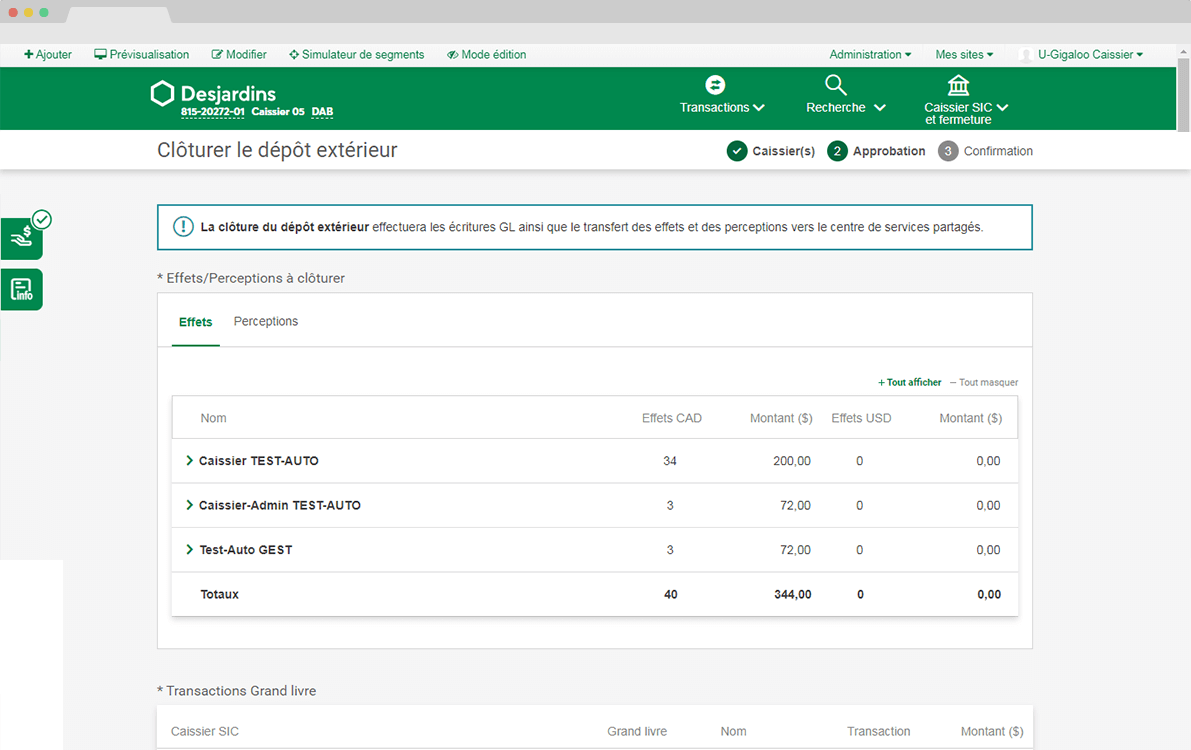
— Collaborated with stakeholders to automate managerial tasks, reducing administrative load on branch staff
Outcome
A 30% average improvement in service efficiency within the first months of launch — including among tellers with decades of experience on the legacy system. The result validated the core design bet: that respecting existing mental models while removing friction would outperform a clean-slate redesign. The platform is now the daily working environment for branch employees across the Desjardins network.
How can I help expand your universe?
Whether you're building something new or rethinking something existing — I'd love to hear about it.